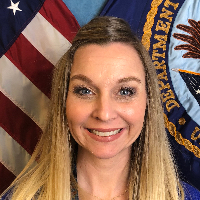
How Nicole works
Practical facts
- Credentials
- LCSW
- Licensed in
- North Carolina
- Years in practice
- 13
- Languages
- English
- Session format
- Online, through our partner platform
About Nicole
Nicole Garza is a Licensed Clinical Social Worker with 13 years of experience. She focuses on helping people who are feeling overwhelmed by stress, anxiety, addiction, grief, or major life shifts. Nicole also supports people facing anger, relationship strain, career stress, and struggles with self-esteem and sleep.
Nicole draws on straightforward, practical conversations to map out what matters most to each person. She listens for patterns that keep problems repeating and helps clients notice small changes that make daily life easier.
Background and approach
Sessions emphasize building a trusting relationship and setting concrete goals together. Her work uses skills from cognitive behavioral therapy and dialectical behavior therapy to teach coping tools and mindset shifts. She also incorporates Acceptance and Commitment Therapy ideas and attachment-based thinking to help people clarify values and improve relationships.
These methods are used to address things like substance use, trauma, compassion fatigue, and family-of-origin issues. Nicole has experience from roles across multiple states, including work with veterans and first responders. That background informs a practical approach to stress, trauma, and the pressures of caregiving or high-demand jobs.
She aims to make progress feel manageable rather than overwhelming. Nicole invites people to identify clear goals, track small gains, and adjust the plan as needed. She prefers practical steps and honest conversation over jargon.
The focus is on skills that can be used between sessions to reduce anger, ease anxiety, and steady mood during life changes.
What Nicole works with
Everything Nicole lists, in the therapist's own terms. Anger is the reason this directory exists; the rest tells you what usually sits alongside it in Nicole's practice.
- Stress, Anxiety
- Addictions
- Trauma and abuse
- Self esteem
- Coping with life changes
- LGBT
- Family conflicts
- Grief
- Intimacy-related issues
- Sleeping disorders
- Parenting issues
- Anger management
- Career difficulties
- Bipolar disorder
- Depression
- Compassion fatigue
- Abandonment
- Attachment issues
- Body image
- Caregiver issues and stress
- Co-morbidity
- Control issues
- Domestic violence
- Drug and alcohol addiction
- Family of origin issues
- Family problems
- First responder issues
- Gender dysphoria
- Guilt and shame
- Infidelity
- Isolation / loneliness
- Life purpose
- Veteran and Armed Forces Issues
- Money and financial issues
- Obsessions, compulsions, and OCD
- Panic disorder and panic attacks
- Personality disorders
- Phobias
- Polyamory / non-monogamous relationships
- Postpartum depression
- Post-traumatic stress
- Pregnancy and childbirth
- Seasonal Affective Disorder (SAD)
- Self-love
- Sexual assault and abuse
- Social anxiety and phobia
- Somatization
- Women's issues
- Workplace issues
Approaches Nicole lists
- Acceptance and Commitment Therapy (ACT)
- Attachment-Based Therapy
- Client-Centered Therapy
- Cognitive Behavioral Therapy (CBT)
- Dialectical Behavior Therapy (DBT)
- Motivational Interviewing
- Narrative Therapy
- Psychodynamic Therapy
- Solution-Focused Therapy
- Trauma-Focused Therapy
Listing an approach is not evidence of training in it. This directory copies what each therapist names and does not check training records.
Therapeutic approaches for online coping and change
Nicole uses cognitive behavioral techniques to help people identify unhelpful thoughts and try practical behavior changes that reduce anxiety and improve mood. CBT is useful for managing worry, low mood, and sleep struggles by turning ideas into simple, testable steps.She also draws on dialectical behavior therapy skills to teach emotional regulation, distress tolerance, and clearer communication. DBT tools can help when anger feels overwhelming or when emotions lead to risky coping like substance use.
Finding the best approach is collaborative. Nicole works with each person to match methods to their goals and day-to-day realities. That may mean using CBT exercises one week and DBT skills the next, or blending ACT and attachment ideas to support values and relationships.
Online sessions are offered via video, phone, live chat, or text-based messaging to make therapy fit different rhythms of life. Video calls are good for a fuller conversation, phone sessions can suit lower bandwidth or quieter check-ins, and messaging or live chat can work for short progress notes or quick coping reminders. These options give people flexibility to practice skills and stay connected between meetings.
Questions people ask about Nicole
What concerns does Nicole commonly address?
She helps people with stress, anxiety, anger, addiction, grief, depression, and trauma. Other focus areas include relationship and family-of-origin issues, caregiver strain, and sleep problems.
What is her therapeutic style like?
Nicole uses direct, practical conversation to set goals and teach skills. Sessions focus on building trust, noticing patterns, and practicing changes between meetings.
How much experience does she have?
Nicole has 13 years of clinical experience working in multiple states and with diverse client concerns, including work related to veterans and first responder issues.
What credentials and region are listed?
She is a Licensed Clinical Social Worker (LCSW) licensed in North Carolina.
Which languages are supported and can she work internationally?
Sessions are offered in English and she accepts international clients.
What session formats does she offer?
Nicole works with people through video calls, phone sessions, live chat, and text-based messaging to fit different schedules and needs.
How does pricing work for sessions?
Cost varies with location and therapist availability; sessions are delivered through a subscription that can be canceled at any time.
How do I begin working with her?
Start by selecting the Start Therapy button, complete a short matching questionnaire, and then schedule sessions based on the therapist's availability.