Works with
- Anger
- Stress, Anxiety
- Relationship issues
- Family conflicts
- Trauma and abuse
- Depression
How Phyllis works
Practical facts
- Credentials
- LPC
- Licensed in
- Mississippi
- Years in practice
- 26
- Languages
- English
- Session format
- Online, through our partner platform
About Phyllis
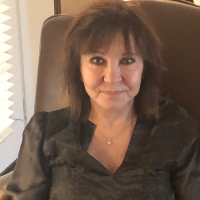
Phyllis Houston is a Licensed Professional Counselor with 26 years of experience helping people manage stress, anxiety, anger, and relationship struggles. She also supports those coping with depression, grief, parenting strain, career transitions, and trauma or abuse. Her approach aims to help people feel steadier and make clearer decisions about their lives.
Phyllis keeps sessions straightforward and focused. She listens first, then helps clients set practical goals. She uses tools from client-centered work and cognitive behavioral methods to identify patterns and try new behaviors.
Background and approach
She also draws on emotionally-focused ideas to clarify feelings and improve close relationships. In sessions she blends talking, skill practice, and goal-setting. Clients often work on breathing and grounding for intense emotions, thought exercises to shift unhelpful beliefs, and steps to change how they respond in difficult moments.
She encourages small, achievable changes that build confidence over time. Phyllis has worked across many settings and with a wide range of concerns over more than two decades. Her MS and LPC credential reflect formal graduate training and licensure as a counselor.
She practices from Mississippi and offers services in English. People who choose her are often looking for clear guidance and steady support during life shifts. She frames therapy as a collaborative process, matching methods to each person’s goals and pace.
Practical action and understanding are both part of her style.
What Phyllis works with
Everything Phyllis lists, in the therapist's own terms. Anger is the reason this directory exists; the rest tells you what usually sits alongside it in Phyllis's practice.
- Stress, Anxiety
- Relationship issues
- Family conflicts
- Trauma and abuse
- Depression
- Grief
- Intimacy-related issues
- Parenting issues
- Anger management
- Self esteem
- Career difficulties
- Coping with life changes
- Coaching
- Compassion fatigue
- Abandonment
- Aging and geriatric issues
- Caregiver issues and stress
- Co-morbidity
- Codependency
- Commitment issues
- Control issues
- Coping with natural or human-caused disaster
- Dependent personality
- Divorce and separation
- Domestic violence
- Emptiness
- Family problems
- Fatherhood issues
- First responder issues
- Forgiveness
- Guilt and shame
- Isolation / loneliness
- Jealousy
- Life purpose
- Midlife crisis
- Mood disorders
- Multicultural concerns
- Panic disorder and panic attacks
- Phobias
- Prejudice and discrimination
- Self-love
- Visually impaired
- Women's issues
- Workplace issues
Approaches Phyllis lists
- Client-Centered Therapy
- Cognitive Behavioral Therapy (CBT)
- Emotionally-Focused Therapy (EFT)
- Existential Therapy
- Motivational Interviewing
- Solution-Focused Therapy
Listing an approach is not evidence of training in it. This directory copies what each therapist names and does not check training records.
How therapy approaches translate to online care
Client-Centered Therapy centers the person’s experience and priorities, with the therapist offering empathy, reflection, and support so people can find their own answers. It helps when someone needs a nonjudgmental space to sort feelings and decide next steps.Cognitive Behavioral Therapy (CBT) focuses on spotting unhelpful thoughts and testing new behaviors. Online CBT often includes short homework tasks, thought records, and step-by-step skill practice to reduce anxiety, manage anger, and change patterns that keep problems going.
Emotionally-Focused Therapy (EFT) helps people name and work with core emotions that affect close relationships. In an online setting it can clarify attachment needs and guide changes in how a person expresses feelings to others.
Finding the best fit is collaborative. The therapist will talk about goals, try methods, and adjust based on what helps most. Clients and the therapist choose between approaches and tailor sessions to individual needs and preferences.
Online sessions offer flexibility and practical benefits. Video calls allow face-to-face work when deeper conversation and nonverbal cues matter. Phone sessions can be a simpler option when bandwidth is limited or a quieter check-in is needed. Live chat and text-based messaging make it easier to fit short check-ins into a workday or to keep momentum between longer sessions.
Questions people ask about Phyllis
What concerns does she address?
She supports people with stress, anxiety, depression, anger, relationship and family issues, trauma and abuse, grief, parenting worries, career changes, and compassion fatigue.
How would you describe her therapeutic style?
Her style is direct and collaborative. She listens closely, helps set clear goals, and uses practical exercises alongside deeper conversation.
What background and experience does she have?
She has 26 years of counseling experience working with diverse concerns and settings, bringing long-term clinical practice to her sessions.
What credentials and location are listed?
She holds an MS and is a Licensed Professional Counselor (LPC) practicing in Mississippi.
Which languages are supported and are international clients accepted?
Sessions are offered in English and international clients are not currently accepted.
What session formats are available?
She provides video calls, phone sessions, live chat, and text-based messaging to suit different schedules and needs.
How does cost work for sessions?
Cost varies with location and therapist availability; sessions use a subscription that can be canceled at any time.
What are the steps to begin working with her?
Start by selecting the Start Therapy button, completing a short matching questionnaire, and then scheduling according to therapist availability.