Works with
- Anger
- Stress, Anxiety
- Parenting issues
- Anger management
- Self esteem
- Depression
How Scott works
Practical facts
- Credentials
- LMSW
- Licensed in
- Michigan
- Years in practice
- 8
- Languages
- English
- Session format
- Online, through our partner platform
About Scott
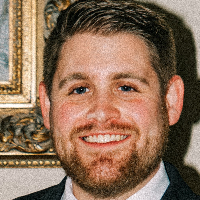
Scott Verner is a licensed clinical social worker who helps people facing stress, anxiety, anger, parenting strains, low self-esteem, depression, and addictions. He communicates plainly and focuses on practical steps people can use right away. His approach suits those who want clear tools rather than long talks alone.
Scott uses short-term strategies and skills practice in sessions. He draws on cognitive behavioral methods to spot unhelpful thoughts and DBT skills to handle strong emotions.
Background and approach
Mindfulness techniques and solution-focused work are used to build small, steady changes. Sessions are collaborative. Scott listens to what matters most to each person and then maps out a plan with achievable steps.
He pays attention to communication patterns and family dynamics when those come up in conversation. Scott has eight years of clinical experience and holds an LMSW, licensed in Michigan. He has worked with people who face mood disorders, ADHD, autism spectrum concerns, OCD, trauma-related problems, and relationship or intimacy struggles.
His style is warm and interactive. Scott avoids labels and treats people with respect and sensitivity. He aims to help clients gain skills to manage emotions, improve relationships, and reduce worry so daily life feels more manageable.
What Scott works with
Everything Scott lists, in the therapist's own terms. Anger is the reason this directory exists; the rest tells you what usually sits alongside it in Scott's practice.
- Stress, Anxiety
- Parenting issues
- Anger management
- Self esteem
- Depression
- Addictions
- Relationship issues
- Family conflicts
- Intimacy-related issues
- Bipolar disorder
- ADHD
- Autism and Asperger Syndrome
- Communication problems
- Dissociation
- Family problems
- Guilt and shame
- Intellectual disability
- Mood disorders
- Narcissism
- Obsessions, compulsions, and OCD
- Panic disorder and panic attacks
- Paranoia
- Phobias
- Post-traumatic stress
- Self-love
- Social anxiety and phobia
- Young adult issues
Approaches Scott lists
- Cognitive Behavioral Therapy (CBT)
- Dialectical Behavior Therapy (DBT)
- Mindfulness Therapy
- Solution-Focused Therapy
Listing an approach is not evidence of training in it. This directory copies what each therapist names and does not check training records.
Approaches that fit online care
Scott commonly uses cognitive behavioral therapy to help people notice and change unhelpful thought patterns and behaviors; this approach is practical and often works well for anxiety, depression, and anger. He also uses dialectical behavior therapy skills to teach emotional regulation, distress tolerance, and clearer communication for strong emotions and relationship tension.Choosing the right approach is part of the work together. The therapist will review a person's goals, symptoms, and preferences and then recommend which methods to try first. That plan can be adjusted over time based on what is helpful and what feels doable.
Online therapy offers flexibility through video calls, phone sessions, live chat, and text-based messaging. Video sessions allow face-to-face interaction for skills practice. Phone sessions use less bandwidth and can be a good option for brief check-ins. Live chat and messaging support shorter, more frequent exchanges and ongoing skill reminders between longer sessions.
Questions people ask about Scott
What concerns does Scott help with?
He supports people dealing with stress, anxiety, anger, parenting challenges, low self-esteem, depression, addictions, relationship and family concerns, bipolar disorder, ADHD and related issues.
How would you describe his therapy style?
Sessions are described as warm and interactive, focusing on plain language and practical steps. The work emphasizes skill building and problem-solving rather than long, abstract discussion.
What is his clinical background?
He has eight years of experience working in clinical settings with a range of concerns including mood disorders, autism spectrum differences, OCD, trauma-related issues, and communication or family problems.
Where is he licensed and practicing?
He is licensed as an LMSW in Michigan and provides services to people located in that state.
Which languages are supported?
Sessions are offered in English.
What session formats are available?
He offers video calls, phone sessions, live chat, and text-based messaging to fit different schedules and needs.
How does billing and cost work?
Cost varies with location and therapist availability and uses a subscription model that can be canceled at any time.
How do I begin working with him?
Start by selecting the Start Therapy button, complete a short matching questionnaire, and then schedule sessions according to the therapist's availability.