Works with
- Anger
- Stress, Anxiety
- Addictions
- Relationship issues
- Family conflicts
- Coping with life changes
How Sharon works
Practical facts
- Credentials
- LMHC
- Licensed in
- Florida
- Years in practice
- 19
- Languages
- English
- Session format
- Online, through our partner platform
About Sharon
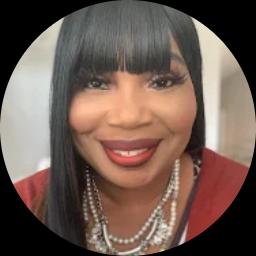
Sharon Toldson is a licensed mental health clinician who helps people manage stress, anxiety, anger, and addictions. She also supports those facing relationship strain, family challenges, grief, and life changes. Sharon writes brief, straightforward plans so people know what to expect in their work together.
She uses practical, goal-focused conversation rather than jargon. Sessions are tailored to each person's situation and paced to match what feels manageable. Sharon emphasizes respect, sensitivity, and a calm, steady presence during difficult talks.
Background and approach
Over 19 years in practice, Sharon has worked with people struggling with trauma, substance use, parenting strain, career questions, and low self-esteem. She also focuses on issues such as attachment concerns, communication problems, codependency, and forgiveness. Her background in family-related work informs how she addresses blended family and parenting stresses.
Sharon draws on approaches like Acceptance and Commitment Therapy, Cognitive Behavioral Therapy, and Dialectical Behavior Therapy to build skills for emotion regulation and clearer thinking. She also uses existential ideas and elements of the Gottman Method when relationship work is helpful. Clients can expect straightforward tools for coping, short-term skill building, and longer-term exploration when needed.
Sharon frames therapy as a collaborative process where people set practical goals and try strategies between sessions. She is based in Florida and practices as an FL LMHC.
What Sharon works with
Everything Sharon lists, in the therapist's own terms. Anger is the reason this directory exists; the rest tells you what usually sits alongside it in Sharon's practice.
- Stress, Anxiety
- Addictions
- Relationship issues
- Family conflicts
- Coping with life changes
- Trauma and abuse
- Grief
- Parenting issues
- Anger management
- Self esteem
- Career difficulties
- Depression
- Coaching
- Compassion fatigue
- ADHD
- Attachment issues
- Blended family issues
- Codependency
- Communication problems
- Drug and alcohol addiction
- Family problems
- Forgiveness
- Guilt and shame
- Life purpose
- Veteran and Armed Forces Issues
- Panic disorder and panic attacks
- Post-traumatic stress
- Seasonal Affective Disorder (SAD)
- Self-love
- Women's issues
- Workplace issues
- Young adult issues
Approaches Sharon lists
- Acceptance and Commitment Therapy (ACT)
- Cognitive Behavioral Therapy (CBT)
- Dialectical Behavior Therapy (DBT)
- Existential Therapy
- Gottman Method
- Motivational Interviewing
- Solution-Focused Therapy
Listing an approach is not evidence of training in it. This directory copies what each therapist names and does not check training records.
How therapy approaches translate to online care
Acceptance and Commitment Therapy (ACT) helps people notice difficult thoughts and feelings without getting stuck in them, so they can act on values that matter. It is useful when anger, avoidance, or life changes are getting in the way of what someone wants. Cognitive Behavioral Therapy (CBT) focuses on spotting unhelpful thought patterns and testing new behaviors to reduce anxiety and depression symptoms. It teaches practical steps people can try between sessions. Dialectical Behavior Therapy (DBT) emphasizes skills for managing strong emotions, tolerating distress, and improving communication; it is often helpful when anger or intense reactions feel overwhelming.Choosing an approach is a team effort. Sharon will talk with each person about their goals, past efforts, and preferences, then suggest methods to try. The plan can be adjusted over time based on what works and what does not - the process is collaborative rather than fixed.
Online therapy with video calls, phone sessions, live chat, or text-based messaging makes it easier to fit work into a busy life. Video lets people use visual cues during deeper conversations. Phone sessions can work when bandwidth is limited or a shorter check-in is needed. Live chat and messaging are useful for quick updates, skill practice, or when someone prefers written exchanges. These options increase flexibility and help people keep momentum between appointments.
Questions people ask about Sharon
What kinds of concerns does Sharon address?
She supports people with stress, anxiety, anger, addictions, relationship and family challenges, grief, trauma, parenting strain, low self-esteem, career questions, and related concerns.
How would you describe her therapeutic style?
Sharon practices in a straightforward, compassionate way. She focuses on clear goals, practical tools, and pacing that fits each person's needs.
What is her professional background?
She has 19 years of experience working in clinical settings and with people facing addiction, family dysfunction, and relationship issues.
What credential and region does she hold?
She is a licensed mental health clinician, listed as FL LMHC, and is based in Florida.
Which languages and international options are available?
Sessions are offered in English and international clients are not accepted at this time.
What formats are used for sessions?
Sharon offers video calls, phone sessions, live chat, and text-based messaging as ways to meet with clients.
How is cost handled?
Fees vary with location and therapist availability; sessions use a subscription model that can be canceled at any time.
How do I begin working with her?
Start by selecting the Start Therapy button, complete a short matching questionnaire, and then schedule according to therapist availability.