Works with
- Anger
- Stress, Anxiety
- Family conflicts
- Grief
- Parenting issues
- Depression
How Shevene works
Practical facts
- Credentials
- LCMHC
- Licensed in
- North Carolina
- Years in practice
- 25
- Languages
- English
- Session format
- Online, through our partner platform
About Shevene
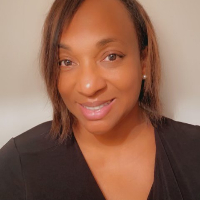
Shevene Bryant is a Licensed Clinical Mental Health Counselor Supervisor in North Carolina who helps people manage strong emotions and stressful life changes. She focuses on practical steps to cope with anger, anxiety, depression, grief, and relationship strain. Her manner is warm and straightforward, aimed at people who want clear next steps and steady support.
Shevene draws on 25 years of clinical experience in mental health centers, hospitals, and independent practice.
Background and approach
She begins by listening closely to the person's story and current struggles. From there she shapes a plan that fits day-to-day life and specific goals such as reducing angry outbursts, improving sleep, or managing compulsive behaviors. Her work blends Client-Centered Therapy with Cognitive Behavioral Therapy and mindfulness methods.
That means conversations focus on what matters to the client while learning concrete skills to change unhelpful patterns. Motivational Interviewing and solution-focused ideas are used when someone is ready to shift habits or make a change.
Shevene has worked across a wide range of concerns including parenting strain, addictions, body image and eating issues, trauma and abuse, bipolar mood challenges, ADHD, and compassion fatigue. She also supports people facing divorce, adoption and foster care issues, aging concerns, and career transitions. Shevene authored a children’s book called Emotions and brings a practical, people-first style to sessions.
She explains options plainly and helps people try new ways of coping. The goal is steady progress and clearer choices over time.
What Shevene works with
Everything Shevene lists, in the therapist's own terms. Anger is the reason this directory exists; the rest tells you what usually sits alongside it in Shevene's practice.
- Stress, Anxiety
- Family conflicts
- Grief
- Parenting issues
- Depression
- Addictions
- LGBT
- Trauma and abuse
- Eating disorders
- Sleeping disorders
- Anger management
- Self esteem
- Career difficulties
- Bipolar disorder
- Coping with life changes
- Coaching
- Compassion fatigue
- ADHD
- Abandonment
- Adoption and foster care
- Aging and geriatric issues
- Blended family issues
- Body image
- Cancer
- Co-morbidity
- Codependency
- Control issues
- Dependent personality
- Divorce and separation
- Domestic violence
- Emptiness
- Family problems
- Fatherhood issues
- Fertility issues
- Forgiveness
- Guilt and shame
- Infidelity
- Jealousy
- Midlife crisis
- Veteran and Armed Forces Issues
- Obsessions, compulsions, and OCD
- Panic disorder and panic attacks
- Paranoia
- Personality disorders
- Phobias
- Postpartum depression
- Post-traumatic stress
- Seasonal Affective Disorder (SAD)
- Self-harm
- Social anxiety and phobia
- Trichotillomania
- Women's issues
Approaches Shevene lists
- Client-Centered Therapy
- Cognitive Behavioral Therapy (CBT)
- Existential Therapy
- Mindfulness Therapy
- Motivational Interviewing
- Solution-Focused Therapy
- Trauma-Focused Therapy
Listing an approach is not evidence of training in it. This directory copies what each therapist names and does not check training records.
How her approaches fit online care
Shevene uses Client-Centered Therapy to keep sessions focused on each person’s priorities and experiences, offering a steady, accepting presence and time to talk through what matters most. Cognitive Behavioral Therapy is used to identify patterns of thinking and behavior and to teach skills that reduce anger, anxiety, and low mood through concrete exercises and practice.Choosing an approach is a collaborative process. Shevene will work with the client to decide which methods best match goals, day-to-day demands, and personal preferences. That may mean starting with listening and validation, then adding CBT skills or mindfulness practices as needed.
Online formats include video calls, phone sessions, live chat, and text-based messaging to make care more flexible. Video lets people practice skills face to face, phone can suit shorter check-ins or when bandwidth is limited, live chat offers real-time typing for those who prefer not to speak, and messaging supports brief coaching and ongoing reflections between sessions. These options help fit therapy into busy lives and changing schedules.
Questions people ask about Shevene
What problems does she help with?
Shevene supports people coping with stress, anxiety, anger, depression, grief, trauma, addictions, eating and sleep issues, self-esteem concerns, and parenting strain.
What is her general approach in sessions?
She uses a blend of Client-Centered Therapy and Cognitive Behavioral Therapy with mindfulness and motivational techniques. Sessions focus on listening first and then learning practical skills to change unhelpful patterns.
How much clinical experience does she have?
Shevene has 25 years of counseling experience in mental health centers, hospitals, and independent practice settings.
What are her credentials and where is she located?
She holds the credential LCMHC, which is a Licensed Clinical Mental Health Counselor, and she practices in North Carolina.
Which languages and international clients are supported?
Sessions are offered in English and she is not accepting international clients.
What session formats are offered?
Shevene works with video calls, phone sessions, live chat, and text-based messaging to fit different schedules and needs.
How is cost handled for sessions?
Cost varies with location and therapist availability; sessions use a subscription that can be canceled at any time.
How do I begin working with her?
Start by selecting the Start Therapy button, complete a short matching questionnaire, and then schedule sessions according to therapist availability.