Works with
- Anger
- Stress, Anxiety
- Trauma and abuse
- Anger management
- Depression
How Susan works
Practical facts
- Credentials
- LCSW
- Licensed in
- Florida
- Years in practice
- 8
- Languages
- English
- Session format
- Online, through our partner platform
About Susan
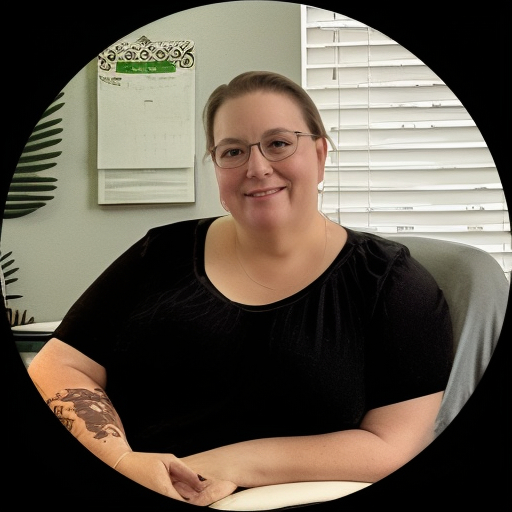
Susan Ramsey-French is a licensed clinical social worker who helps people facing stress, anxiety, depression, trauma, anger, and relationship concerns. She works with individuals who feel overwhelmed by life changes, caregiving strain, or compassion fatigue. Susan uses straightforward, practical steps so clients can start feeling steadier sooner.
Susan takes a person-focused approach. She listens first to understand what matters to each person. Sessions move at a pace set by the client and focus on small, doable changes.
Background and approach
She combines talk therapy with concrete skills practice to lower emotional intensity and improve daily functioning. Her methods include cognitive behavioral techniques that help people notice and change unhelpful thoughts and behaviors. She also uses mindfulness strategies to reduce reactivity and increase moment-to-moment calm.
For people navigating trauma, Susan includes trauma-focused methods to process painful memories and reduce their hold on current life. Clients can expect someone who explains things plainly and gives simple tools to try between sessions. Susan emphasizes building coping skills, improving communication, and restoring confidence.
Her goal is to help clients feel more in control and more able to manage everyday stressors. Susan has eight years of clinical experience and holds a Florida LCSW, which stands for Licensed Clinical Social Worker. She offers sessions using video calls, phone, live chat, and text-based messaging.
All sessions are conducted in English and scheduled to match each person's needs.
What Susan works with
Everything Susan lists, in the therapist's own terms. Anger is the reason this directory exists; the rest tells you what usually sits alongside it in Susan's practice.
- Stress, Anxiety
- Trauma and abuse
- Anger management
- Depression
- Relationship issues
- Family conflicts
- Self esteem
- Bipolar disorder
- Coping with life changes
- Compassion fatigue
- Abandonment
- Attachment issues
- Blended family issues
- Body image
- Co-morbidity
- Codependency
- Commitment issues
- Communication problems
- Control issues
- Coping with natural or human-caused disaster
- Dependent personality
- Dissociation
- Domestic violence
- Emptiness
- Family problems
- First responder issues
- Guilt and shame
- Impulsivity
- Isolation / loneliness
- Jealousy
- Life purpose
- Midlife crisis
- Veteran and Armed Forces Issues
- Mood disorders
- Obsessions, compulsions, and OCD
- Panic disorder and panic attacks
- Phobias
- Post-traumatic stress
- Self-harm
- Self-love
- Sexual assault and abuse
- Social anxiety and phobia
- Trichotillomania
- Young adult issues
Approaches Susan lists
- Client-Centered Therapy
- Cognitive Behavioral Therapy (CBT)
- Eye Movement Desensitization and Reprocessing (EMDR)
- Mindfulness Therapy
- Motivational Interviewing
- Solution-Focused Therapy
- Trauma-Focused Therapy
Listing an approach is not evidence of training in it. This directory copies what each therapist names and does not check training records.
Therapeutic approaches and online options
Client-Centered Therapy focuses on listening without judgment and following the client's lead to find what matters most. It helps people feel understood and guides sessions around their goals. Cognitive Behavioral Therapy (CBT) teaches practical tools to identify unhelpful thoughts and change behaviors that keep problems going, which is often useful for anxiety, depression, and anger. Eye Movement Desensitization and Reprocessing (EMDR) is a trauma-informed method that helps reduce the intensity of painful memories so they interfere less with daily life.Deciding which approach to use is a collaborative process. The therapist will talk with each person about their goals, past experiences, and preferences. Together they try an approach, check how it feels, and adjust the plan as needed rather than insisting on one method up front.
Online therapy is offered through video calls, phone sessions, live chat, and text-based messaging to fit different needs. Video calls are good for full sessions and face-to-face interaction. Phone sessions work well if bandwidth is limited or for checking in when hands-free is preferable. Live chat and text messaging suit shorter check-ins, quick skill practice, or people who prefer writing. These options make it easier to fit therapy into a busy schedule and to keep consistent contact with a licensed professional.
Questions people ask about Susan
What kinds of concerns does Susan help with?
She supports people coping with stress, anxiety, trauma and abuse, anger, depression, relationship strain, self-esteem issues, bipolar concerns, and compassion fatigue.
What is her therapeutic style like?
Her style is person-focused and practical. She listens first, then offers clear, doable steps and skills to practice between sessions.
How much clinical experience does she have?
She has eight years of clinical experience working with the range of concerns listed in her profile.
What credentials and location are on record?
She holds a Florida LCSW, which is a Licensed Clinical Social Worker credential, and she practices from Florida.
Can sessions be conducted in other languages?
Sessions are offered in English.
Which session formats are available?
Sessions can be done by video calls, phone sessions, live chat, or text-based messaging depending on the client's preference.
How are fees handled?
Cost varies with location and therapist availability; sessions use a subscription that can be canceled at any time.
What are the first steps to begin?
Choose the Start Therapy button, complete a short matching questionnaire, and then schedule sessions based on the therapist's availability.