Works with
How Tonya works
Practical facts
- Credentials
- LCSW
- Licensed in
- Montana
- Years in practice
- 7
- Languages
- English
- Session format
- Online, through our partner platform
About Tonya
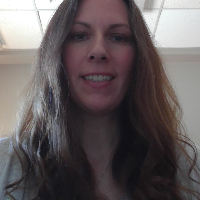
Tonya Carpenter is a Licensed Clinical Social Worker (LCSW) based in Montana who helps people manage stress, anger, anxiety, substance use, trauma, and mood concerns. She takes a straightforward, warm approach and prefers to ask direct questions to get to the heart of an issue. Tonya believes people are not broken and helps them build better daily tools for life.
Tonya draws on seven years of clinical experience that include hospital work, school behavior support, and independent practice.
Background and approach
She has worked with adults with disabilities and in settings that support service members. Her Master of Social Work is from the University of Southern California with an emphasis in Military and Veterans Affairs. In sessions she uses a client-centered, strengths-based style that is focused on practical solutions.
She commonly integrates cognitive behavioral techniques and dialectical behavior strategies to teach coping skills and improve everyday functioning. Tonya also uses Acceptance and Commitment Therapy ideas to help people clarify values and take action toward meaningful goals. She is comfortable addressing co-occurring concerns such as substance use, PTSD, depression, Bipolar disorder, communication struggles, grief, and parenting strain.
Tonya aims to meet people where they are and build steps that fit real life and available supports. Her manner is upfront yet nonjudgmental, and she works with clients to craft a plan for better quality of life. Messaging responses are handled during the workweek, and scheduling is arranged around therapist availability.
What Tonya works with
Everything Tonya lists, in the therapist's own terms. Anger is the reason this directory exists; the rest tells you what usually sits alongside it in Tonya's practice.
- Stress, Anxiety
- Addictions
- Trauma and abuse
- Self esteem
- Depression
- Relationship issues
- Family conflicts
- Grief
- Intimacy-related issues
- Eating disorders
- Parenting issues
- Anger management
- Career difficulties
- Bipolar disorder
- Coping with life changes
- Compassion fatigue
- ADHD
- Abandonment
- Adoption and foster care
- Antisocial personality
- Attachment issues
- Avoidant personality
- Blended family issues
- Body image
- Cancer
- Caregiver issues and stress
- Chronic pain, illness, and disability
- Co-morbidity
- Codependency
- Commitment issues
- Communication problems
- Control issues
- Coping with natural or human-caused disaster
- Dependent personality
- Disruptive Mood Dysregulation Disorder (DMDD)
- Dissociation
- Divorce and separation
- Domestic violence
- Drug and alcohol addiction
- Emptiness
- Family problems
- Fatherhood issues
- Forgiveness
- Guilt and shame
- Impulsivity
- Isolation / loneliness
- Midlife crisis
- Veteran and Armed Forces Issues
- Money and financial issues
- Mood disorders
- Narcissism
- Obsessions, compulsions, and OCD
- Panic disorder and panic attacks
- Paranoia
- Personality disorders
- Phobias
- Postpartum depression
- Post-traumatic stress
- Process addiction (porn, exercise, gambling)
- Seasonal Affective Disorder (SAD)
- Self-harm
- Self-love
- Sexual assault and abuse
- Smoking / vaping cessation
- Social anxiety and phobia
- Somatization
- Workplace issues
- Young adult issues
Approaches Tonya lists
- Acceptance and Commitment Therapy (ACT)
- Attachment-Based Therapy
- Client-Centered Therapy
- Cognitive Behavioral Therapy (CBT)
- Dialectical Behavior Therapy (DBT)
- Eye Movement Desensitization and Reprocessing (EMDR)
- Mindfulness Therapy
- Motivational Interviewing
- Narrative Therapy
- Psychodynamic Therapy
- Solution-Focused Therapy
- Somatic Therapy
- Trauma-Focused Therapy
- Internal Family Systems
Listing an approach is not evidence of training in it. This directory copies what each therapist names and does not check training records.
Approaches that translate well to online care
Acceptance and Commitment Therapy (ACT) helps people clarify what matters most to them and take small actions toward those values despite hard feelings. It is useful when stress, anxiety, anger, or life changes make it hard to move forward. Cognitive Behavioral Therapy (CBT) breaks problems into thoughts, feelings, and behaviors and teaches practical tools to shift unhelpful patterns; it is often used for anxiety, depression, and coping skills training. Dialectical Behavior Therapy (DBT) offers skills in emotional regulation, distress tolerance, and communication, which can be helpful for intense emotions and relationship struggles.Finding the right mix of approaches is part of the work. The therapist will collaborate with each person to decide which methods fit their goals and daily life. That shared planning means the treatment can be adjusted as progress and needs change.
Online sessions are offered by video call, phone, live chat, or text-based messaging to increase flexibility. Video sessions allow face-to-face conversation and skills practice, phone sessions can be easier when bandwidth is limited, chat is useful for quick check-ins, and text messaging supports ongoing reminders and brief processing between sessions. These options help people fit therapy around work, family, and other obligations.
Questions people ask about Tonya
What kinds of concerns can she help with?
She addresses stress, anxiety, anger, addictions, trauma and abuse, depression, relationship and family concerns, grief, eating and intimacy-related issues, parenting strain, career changes, ADHD, and related challenges.
How would you describe her therapeutic style?
Her style is direct and warm, using client-centered and strengths-based methods. Sessions focus on practical strategies and clear steps rather than abstract theory.
What is her clinical background and experience?
She has seven years of clinical experience including hospital counseling, independent practice, and work as a school behavior intervention specialist for grades 6-12.
What credentials does she hold and where is she located?
She holds the LCSW credential and practices in Montana.
In which languages are sessions offered?
Sessions are offered in English.
What session formats are available?
She offers video calls, phone sessions, live chat, and text-based messaging to fit different needs and schedules.
How does cost and billing work?
Cost varies with location and therapist availability; sessions use a subscription model that can be canceled at any time.
How do I get started with therapy?
Begin by selecting the Start Therapy button, completing a short matching questionnaire, and then scheduling sessions according to therapist availability.