Works with
- Anger
- Stress, Anxiety
- Addictions
- Trauma and abuse
- Anger management
- Depression
How Christian works
Practical facts
- Credentials
- LMHC
- Licensed in
- Florida
- Years in practice
- 15
- Languages
- English
- Session format
- Online, through our partner platform
About Christian
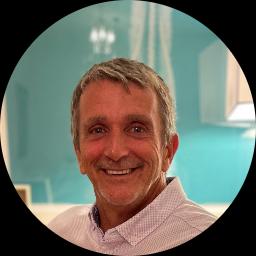
Christian Cannon is a Licensed Mental Health Counselor (LMHC) based in Florida with 15 years of clinical experience. He focuses on helping people manage stress, anxiety, depression, addictions, trauma and anger. He aims to create a calm space where people can speak honestly and begin making changes at their own pace.
Christian keeps sessions straightforward and practical. He listens to what matters most and helps clients build skills they can use between meetings.
Background and approach
Conversations cover what’s happening now and what patterns contribute to repeated struggles. His work often addresses substance use, relapse prevention, and the emotional aftermath of abuse. He also supports people coping with impulsivity, guilt, shame, and relationship problems such as communication breakdowns and infidelity.
Sessions can include concrete tools for handling strong emotions and urges. Christian draws on a mix of approaches to match each person’s needs. He uses ideas from cognitive behavioral therapy to spot unhelpful thoughts, and acceptance and commitment therapy to clarify values and next steps.
He adapts sessions to what a person prefers and responds to. People who prefer a direct, practical style tend to find his approach helpful. He encourages steady progress rather than quick fixes.
Christian invites anyone struggling with mood, anger, trauma, or substance concerns to consider talking through next steps.
What Christian works with
Everything Christian lists, in the therapist's own terms. Anger is the reason this directory exists; the rest tells you what usually sits alongside it in Christian's practice.
- Stress, Anxiety
- Addictions
- Trauma and abuse
- Anger management
- Depression
- Abandonment
- Antisocial personality
- Codependency
- Communication problems
- Control issues
- Coping with natural or human-caused disaster
- Domestic violence
- Drug and alcohol addiction
- Eating and food-related issues
- Family problems
- Fatherhood issues
- Forgiveness
- Guilt and shame
- Impulsivity
- Infidelity
- Isolation / loneliness
- Jealousy
- Life purpose
- Men's issues
- Midlife crisis
- Veteran and Armed Forces Issues
- Mood disorders
- Narcissism
- Panic disorder and panic attacks
- Personality disorders
- Phobias
- Post-traumatic stress
- Process addiction (porn, exercise, gambling)
- Self-love
- Sex addiction
- Social anxiety and phobia
Approaches Christian lists
- Acceptance and Commitment Therapy (ACT)
- Client-Centered Therapy
- Cognitive Behavioral Therapy (CBT)
- Dialectical Behavior Therapy (DBT)
- Emotionally-Focused Therapy (EFT)
- Jungian Therapy
- Mindfulness Therapy
- Motivational Interviewing
- Solution-Focused Therapy
- Trauma-Focused Therapy
Listing an approach is not evidence of training in it. This directory copies what each therapist names and does not check training records.
Therapeutic approaches and online care
Acceptance and Commitment Therapy, or ACT, helps people notice painful thoughts without getting stuck in them and then choose actions that match their values. It can be useful for anxiety, depression, and ongoing worry about control. Cognitive Behavioral Therapy, CBT, focuses on identifying thoughts and behaviors that maintain distress and replacing them with more helpful patterns; it is often used for anxiety, mood problems, and managing strong emotional reactions. Dialectical Behavior Therapy, DBT, teaches concrete skills for regulating intense emotions, tolerating distress, and improving communication when impulses or anger feel overwhelming.Finding the right approach is part of the process. The therapist will work with each person to pick and combine methods that fit their goals and daily life. Sessions are collaborative and adjusted as progress is made so the plan reflects what actually helps.
Online sessions are offered by video call, phone, live chat, or text-based messaging to make care more flexible. Video sessions allow face-to-face conversation and skill practice. Phone calls reduce bandwidth needs and can work during a break at work. Live chat or text messaging can be used for shorter check-ins, ongoing coaching, or when writing feels easier than speaking. These options help people fit therapy into busy routines and keep momentum between meetings.
Questions people ask about Christian
What concerns does Christian address?
He works with stress, anxiety, depression, addictions, trauma and anger along with related issues such as impulsivity, codependency, communication problems, and guilt.
How would you describe his therapeutic style?
Sessions are practical and direct. He listens first, then introduces skills and steps people can use between meetings.
How much clinical experience does he have?
Christian has 15 years of professional experience working with a range of mental health and substance-related concerns.
What are his credentials and location?
He is a Licensed Mental Health Counselor - LMHC - practicing in Florida.
Which languages are available for sessions?
Sessions are offered in English.
Can I work with him from another country?
International clients are not currently accepted; sessions are provided to clients located where his Florida licensure applies.
What session formats are offered?
He meets via video calls, phone sessions, live chat, or text-based messaging to fit different schedules and preferences.
How does cost and scheduling work?
Cost varies by location and therapist availability and uses a subscription that can be canceled at any time; to begin, select the Start Therapy button and complete the short matching questionnaire, then schedule per availability.