Works with
- Anger
- Stress, Anxiety
- Trauma and abuse
- Anger management
- Self esteem
- Depression
How Felisha works
Practical facts
- Credentials
- LPC-MHSP
- Licensed in
- Tennessee
- Years in practice
- 8
- Languages
- English
- Session format
- Online, through our partner platform
About Felisha
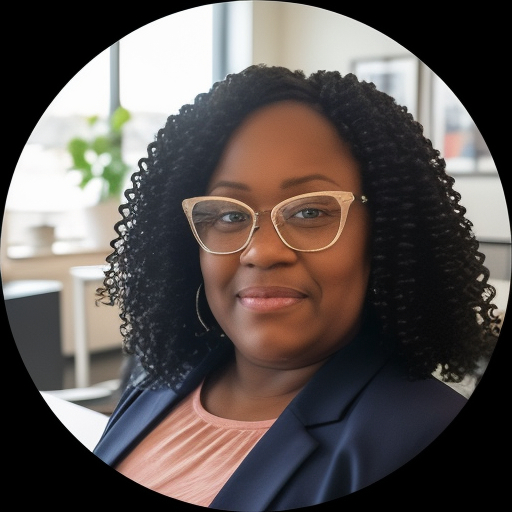
Felisha Tillman is a Licensed Professional Counselor–Mental Health Service Provider (LPC-MHSP) who helps people manage stress, anxiety, trauma, anger, low self-esteem, and depression. She offers a warm and direct style that aims to make hard feelings easier to talk about. Many people come when they feel stuck or overwhelmed and need a clear plan to move forward.
Her sessions focus on understanding patterns that keep someone stuck and building practical skills to cope differently.
Background and approach
Felisha uses structured methods alongside empathic listening. She sets clear goals and helps people track small steps of progress. Felisha draws on approaches such as Acceptance and Commitment Therapy, Cognitive Behavioral Therapy, Dialectical Behavior Therapy, Emotionally-Focused Therapy, and client-centered work.
Those methods are used to teach emotion regulation, improve communication, and address trauma responses. The work often includes learning new coping strategies and practicing them between sessions. Her background includes eight years in behavioral health and work in community mental health, crisis intervention, and integrated behavioral settings.
That experience informs how she supports people facing burnout, addiction concerns, grief, or relationship stress. Sessions are practical and collaborative. Clients can expect a mix of understanding why patterns developed and hands-on tools to change them.
Felisha aims to help people move from surviving to living with more clarity and emotional resilience.
What Felisha works with
Everything Felisha lists, in the therapist's own terms. Anger is the reason this directory exists; the rest tells you what usually sits alongside it in Felisha's practice.
- Stress, Anxiety
- Trauma and abuse
- Anger management
- Self esteem
- Depression
- Abandonment
- Aging and geriatric issues
- Attachment issues
- Body image
- Caregiver issues and stress
- Commitment issues
- Communication problems
- Disruptive Mood Dysregulation Disorder (DMDD)
- Dissociation
- Drug and alcohol addiction
- Emptiness
- Family problems
- Forgiveness
- Guilt and shame
- Impulsivity
- Isolation / loneliness
- Jealousy
- Life purpose
- Mood disorders
- Multicultural concerns
- Panic disorder and panic attacks
- Paranoia
- Phobias
- Post-traumatic stress
- Self-harm
- Self-love
- Social anxiety and phobia
- Somatization
- Women's issues
Approaches Felisha lists
- Acceptance and Commitment Therapy (ACT)
- Client-Centered Therapy
- Cognitive Behavioral Therapy (CBT)
- Dialectical Behavior Therapy (DBT)
- Emotionally-Focused Therapy (EFT)
- Eye Movement Desensitization and Reprocessing (EMDR)
- Mindfulness Therapy
- Motivational Interviewing
- Narrative Therapy
- Somatic Therapy
- Trauma-Focused Therapy
Listing an approach is not evidence of training in it. This directory copies what each therapist names and does not check training records.
How therapy approaches translate to online care
Acceptance and Commitment Therapy helps people notice painful thoughts without getting stuck in them and then take steps toward a values-driven life. It is useful for chronic anxiety, stress, and problems with motivation. Cognitive Behavioral Therapy focuses on identifying and shifting unhelpful thinking and behavior patterns so emotions change in response. It is often used for anxiety, depression, and anger management. Client-Centered Therapy emphasizes a supportive, nonjudgmental relationship where the therapist follows the person’s lead to build insight and self-acceptance.Finding the right approach is a team effort. The therapist will review concerns, goals, and preferences and recommend which methods to try first. Over time the plan can be adjusted based on what helps most, so the client shapes the direction of care.
Online sessions are offered by video, phone, live chat, or text-based messaging to make therapy more accessible and flexible. Video calls allow face-to-face interaction for skills practice. Phone sessions work when bandwidth is limited or a voice check-in feels easier. Live chat or text messaging can be used for brief check-ins or when someone prefers writing over speaking. These options are aimed at fitting work, caregiving, or travel schedules while keeping consistent progress in therapy.
Questions people ask about Felisha
What concerns does she address?
She supports people dealing with stress, anxiety, trauma, anger, self-esteem issues, and depression, plus related problems like addiction, grief, and communication struggles.
What is her therapeutic approach like?
Her style is warm and direct with a structured plan. She combines practical skill-building with listening and goal setting to help people manage emotions and change patterns.
How much experience does she have?
She has eight years of experience working in behavioral health, including community mental health and crisis intervention settings.
What credentials and location are listed?
She is a Licensed Professional Counselor–Mental Health Service Provider (LPC-MHSP) licensed in Tennessee.
Which languages are supported?
Sessions are offered in English and international clients are not currently accepted.
What session formats are available?
Sessions can take place via video calls, phone sessions, live chat, or text-based messaging to fit different needs and schedules.
How is cost handled?
Cost varies with location and therapist availability; sessions use a subscription model that can be canceled at any time.
How do I begin working with her?
Start by selecting the Start Therapy button, complete a short matching questionnaire, and then schedule sessions according to therapist availability.