Works with
- Anger
- Addictions
- Trauma and abuse
- Grief
- Coping with life changes
- Coaching
How Justine works
Practical facts
- Credentials
- LCSW
- Licensed in
- Florida
- Years in practice
- 6
- Languages
- English, Spanish
- Session format
- Online, through our partner platform
About Justine
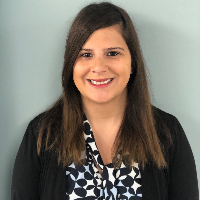
Justine Alemany is a Licensed Clinical Social Worker (LCSW) who helps people facing anger, trauma, addiction, and major life changes. She speaks English and Spanish and aims to make therapy straightforward and practical. Her approach centers on building skills that reduce intense reactions and help people regain control of daily life.
She began clinical work as a graduate intern at an elementary school in Boston. That early classroom experience led to a second internship at an inpatient adolescent unit connected to UMASS Medical School, where she supported teens with severe mental health challenges and their caregivers.
Background and approach
Those roles shaped her focus on trauma and long-term recovery. After returning to Florida, she worked in outpatient and residential substance-use settings with adult women, addressing substance use, mood disorders, and trauma-related issues. Since 2019 she has spent time at a Children's Advocacy Center, working with people across ages who have experienced sexual abuse, domestic violence, grief, and big life transitions.
Her sessions are practical and skills-based. She blends client-centered work with cognitive behavioral techniques, dialectical behavior strategies, EMDR, and motivational interviewing to teach coping tools and emotion regulation. She emphasizes customizing methods to each person rather than using a single technique for everyone.
Justine draws on six years of clinical experience in schools, hospitals, substance-use programs, and advocacy settings. She is licensed in Florida as an LCSW and focuses on helping individuals manage anger, anxiety, depression, ADHD, and the effects of trauma.
What Justine works with
Everything Justine lists, in the therapist's own terms. Anger is the reason this directory exists; the rest tells you what usually sits alongside it in Justine's practice.
- Addictions
- Trauma and abuse
- Grief
- Coping with life changes
- Coaching
- Stress, Anxiety
- LGBT
- Family conflicts
- Anger management
- Bipolar disorder
- Depression
- ADHD
- Adoption and foster care
- Antisocial personality
- Caregiver issues and stress
- Codependency
- Commitment issues
- Communication problems
- Dissociation
- Domestic violence
- Drug and alcohol addiction
- Guilt and shame
- Impulsivity
- Mood disorders
- Panic disorder and panic attacks
- Phobias
- Post-traumatic stress
- Self-harm
- Sexual assault and abuse
- Sexuality
- Social anxiety and phobia
- Young adult issues
Approaches Justine lists
- Client-Centered Therapy
- Cognitive Behavioral Therapy (CBT)
- Dialectical Behavior Therapy (DBT)
- Eye Movement Desensitization and Reprocessing (EMDR)
- Motivational Interviewing
- Trauma-Focused Therapy
Listing an approach is not evidence of training in it. This directory copies what each therapist names and does not check training records.
Therapeutic approaches and online care
Justine commonly uses cognitive behavioral therapy and dialectical behavior therapy in online sessions. Cognitive behavioral therapy focuses on spotting unhelpful thoughts and changing behaviors that keep problems going, which helps with anxiety, mood problems, and anger. Dialectical behavior therapy teaches concrete skills for emotion regulation, distress tolerance, and better communication when feelings run high.She also integrates client-centered therapy, which emphasizes listening and adapting to the person in front of her. Together, these approaches are chosen collaboratively. The therapist will discuss goals and preferences and help identify which methods fit best for a person's needs and situation.
Online formats include video calls, phone sessions, live chat, and text-based messaging. Video calls allow structured face-to-face conversations and skill practice. Phone sessions can be easier when bandwidth is limited or for people who prefer not to be on camera. Live chat and text messaging are useful for brief check-ins, quick coaching, or when a shorter connection fits a busy day. These options make it easier to schedule ongoing work and to keep building skills between appointments.
Questions people ask about Justine
What kinds of problems does she address?
She works with issues such as anger, addictions, trauma and abuse, grief, anxiety, depression, bipolar disorder, ADHD, and stress related to life changes.
How would she approach my concerns in sessions?
Sessions blend client-centered listening with practical techniques from cognitive behavioral therapy and dialectical behavior therapy, plus EMDR and motivational interviewing when helpful.
What is her clinical background?
She has six years of experience working in schools, an inpatient adolescent unit, outpatient and residential substance-use programs, and a Children's Advocacy Center.
What are her credentials and where is she based?
She is a Licensed Clinical Social Worker, Florida LCSW SW, practicing in Florida.
Can I work with her in Spanish or from another country?
Sessions are offered in English and Spanish. She is not currently accepting international clients.
What session formats are available?
She offers video calls, phone sessions, live chat, and text-based messaging to fit different schedules and preferences.
How much do sessions cost?
Cost varies with location and therapist availability; sessions use a subscription model that can be canceled at any time.
How do I begin working with her?
Click the Start Therapy button, complete a short matching questionnaire, and schedule sessions according to the therapist's availability.