Works with
- Anger
- Stress, Anxiety
- Relationship issues
- Trauma and abuse
- Depression
- Coping with life changes
Practical facts
- Credentials
- LMHC
- Licensed in
- Florida
- Years in practice
- 5
- Languages
- English, Spanish
- Session format
- Online, through our partner platform
About Lauren
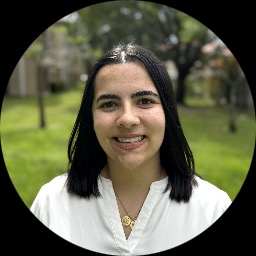
Lauren Rodriguez is a Licensed Mental Health Counselor (LMHC) practicing in Florida. She uses a warm, straightforward style to help people handle stress, anxiety, depression, and relationship concerns. Lauren aims to make the first steps into therapy feel manageable and honest for clients.
She focuses on practical conversations where people can say what they are feeling without judgment. Sessions often involve identifying unhelpful thoughts, looking at patterns from past experiences, and trying small changes that feel doable.
Background and approach
Lauren draws on Client-Centered Therapy to listen deeply and Cognitive Behavioral Therapy to break down thinking and behavior cycles. Lauren also uses Narrative Therapy to help people reframe difficult stories in their lives. That approach can be useful for issues like grief, trauma, identity questions, and feelings of shame or guilt.
She tailors these methods to the problem a person brings, whether it is anger, parenting stress, or career uncertainty. Her five years of experience include supporting people with addictions, bipolar disorder, ADHD, and complex family dynamics such as blended family concerns and family-of-origin problems.
She also addresses body image, eating-related issues, and chronic illness or pain when these affect mood and daily functioning. Sessions are offered in English and Spanish and can be scheduled as video calls, phone sessions, live chat, or text-based messaging. Lauren works collaboratively to set goals and find small, concrete steps clients can use between meetings.
What Lauren works with
Everything Lauren lists, in the therapist's own terms. Anger is the reason this directory exists; the rest tells you what usually sits alongside it in Lauren's practice.
- Stress, Anxiety
- Relationship issues
- Trauma and abuse
- Depression
- Coping with life changes
- Addictions
- Family conflicts
- Grief
- Intimacy-related issues
- Eating disorders
- Parenting issues
- Anger management
- Self esteem
- Career difficulties
- Bipolar disorder
- ADHD
- Abandonment
- Blended family issues
- Body image
- Caregiver issues and stress
- Chronic pain, illness, and disability
- Communication problems
- Eating and food-related issues
- Family of origin issues
- Family problems
- Forgiveness
- Guilt and shame
- Hoarding
- Impulsivity
- Infidelity
- Life purpose
- Money and financial issues
- Mood disorders
- Obsessions, compulsions, and OCD
- Panic disorder and panic attacks
- Paranoia
- Personality disorders
- Phobias
- Post-traumatic stress
- Process addiction (porn, exercise, gambling)
- Self-harm
- Self-love
- Sexual assault and abuse
- Social anxiety and phobia
- Women's issues
- Workplace issues
- Young adult issues
Approaches Lauren lists
Listing an approach is not evidence of training in it. This directory copies what each therapist names and does not check training records.
Approaches that guide online sessions
Client-Centered Therapy focuses on listening without judgment and following the person's lead. In online sessions this often means the therapist reflects what the client says, helps clarify feelings, and supports the client in naming goals that matter to them. Cognitive Behavioral Therapy, or CBT, looks at how thoughts and behaviors keep problems going. Online CBT tends to include practical exercises, experimentations between sessions, and direct work on symptoms like anxiety or anger.Finding the right approach is part of the work together. The therapist will talk with each client about their needs, goals, and preferences and then suggest methods to try. That decision is collaborative and can be revisited as progress continues or priorities change.
Online formats include video calls, phone sessions, live chat, and text-based messaging. Video works well for face-to-face conversation and visual cues. Phone sessions are useful when bandwidth is limited or someone prefers not to be on camera. Live chat and text-based messaging can be better for quick check-ins, shorter coaching-style contacts, or times when writing is an easier way to express thoughts. These options make scheduling more flexible and can help therapy fit into busy days.
Questions people ask about Lauren
What concerns does Lauren commonly address?
She helps people with stress, anxiety, depression, anger, relationship issues, trauma and abuse, grief, and addictions as well as related concerns like self-esteem and career questions.
How would you describe her therapeutic style?
Her approach is direct and supportive. She listens with a Client-Centered stance and uses CBT and Narrative Therapy techniques to test small changes and reframe difficult stories.
What background and experience does she have?
Lauren holds a Florida LMHC and has five years of clinical experience working with people facing a range of mood, relationship, and life-transition challenges.
Where is she licensed and based?
She is a Licensed Mental Health Counselor (LMHC) licensed in Florida and practices with clients located in that state.
Which languages are supported in sessions?
Sessions are offered in English and Spanish to meet the needs of bilingual clients.
What session formats are available?
Lauren meets with clients through video calls, phone sessions, live chat, and text-based messaging to offer flexible ways to engage in therapy.
How are sessions paid for and what does it cost?
Cost varies with location and therapist availability. Sessions use a subscription model that can be canceled at any time.
What steps do I take to begin working together?
Start by selecting the Start Therapy button, complete a short matching questionnaire, and then schedule sessions according to the therapist's availability.