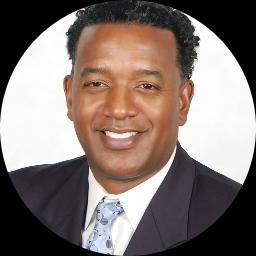
Nathaniel Johnston, LMHC
Practical support for stress, anger, and recovery
Explore online therapy optionsWorks with
How Nathaniel works
Practical facts
- Credentials
- LMHC
- Licensed in
- Florida
- Years in practice
- 12
- Languages
- English
- Session format
- Online, through our partner platform
About Nathaniel
Nathaniel Johnston is a Florida-based licensed mental health counselor with 12 years of experience. He helps people manage stress and anxiety, work through anger, address addictive behaviors, and cope with trauma and abuse. He also supports people dealing with depression, sleep or eating concerns, self-esteem struggles, and major life changes.
He has experience helping people with career stress, ADHD, and challenges tied to grief or relationship strain. Nathaniel has worked with high-school, college, and professional athletes on performance and wellbeing.
Background and approach
Nathaniel uses practical conversations to discover what matters most to each person. He focuses on clear skills people can use between sessions, such as ways to reduce reactivity, improve sleep, or break cycles of avoidance. Sessions are guided by what the individual needs in that moment and over time.
His style is collaborative and down-to-earth. He offers both short-term and longer-term support depending on the goal. People can expect a respectful, nonjudgmental space where they set the pace and priorities.
In sessions Nathaniel draws from several approaches to match each person's situation. He works to create simple plans that fit daily life and build on small, steady changes. The aim is practical progress toward better daily functioning and more satisfying relationships.
What Nathaniel works with
Everything Nathaniel lists, in the therapist's own terms. Anger is the reason this directory exists; the rest tells you what usually sits alongside it in Nathaniel's practice.
- Stress, Anxiety
- Addictions
- Trauma and abuse
- Depression
- Relationship issues
- Family conflicts
- Grief
- Intimacy-related issues
- Eating disorders
- Sleeping disorders
- Anger management
- Self esteem
- Career difficulties
- Bipolar disorder
- Coping with life changes
- Coaching
- ADHD
- Abandonment
- Adoption and foster care
- Aging and geriatric issues
- Antisocial personality
- Attachment issues
- Avoidant personality
- Blended family issues
- Body image
- Cancer
- Caregiver issues and stress
- Chronic pain, illness, and disability
- Co-morbidity
- Codependency
- Commitment issues
- Communication problems
- Control issues
- Coping with natural or human-caused disaster
- Dependent personality
- Disruptive Mood Dysregulation Disorder (DMDD)
- Dissociation
- Divorce and separation
- Domestic violence
- Drug and alcohol addiction
- Eating and food-related issues
- Emptiness
- Family problems
- Fatherhood issues
- First responder issues
- Forgiveness
- Gender dysphoria
- Guilt and shame
- HIV / AIDS
- Hoarding
- Impulsivity
- Infidelity
- Isolation / loneliness
- Jealousy
- Life purpose
- Men's issues
- Midlife crisis
- Veteran and Armed Forces Issues
- Money and financial issues
- Mood disorders
- Multicultural concerns
- Narcissism
- Obsessions, compulsions, and OCD
- Panic disorder and panic attacks
- Paranoia
- Personality disorders
- Phobias
- Polyamory / non-monogamous relationships
- Post-traumatic stress
- Prejudice and discrimination
- Process addiction (porn, exercise, gambling)
- Seasonal Affective Disorder (SAD)
- Self-harm
- Self-love
- Sex addiction
- Sexual assault and abuse
- Sexual dysfunction
- Sexuality
- Social anxiety and phobia
- Women's issues
- Workplace issues
- Young adult issues
Approaches Nathaniel lists
- Acceptance and Commitment Therapy (ACT)
- Client-Centered Therapy
- Cognitive Behavioral Therapy (CBT)
- Dialectical Behavior Therapy (DBT)
- Emotionally-Focused Therapy (EFT)
- Existential Therapy
- Mindfulness Therapy
- Motivational Interviewing
- Narrative Therapy
- Psychodynamic Therapy
- Solution-Focused Therapy
- Trauma-Focused Therapy
Listing an approach is not evidence of training in it. This directory copies what each therapist names and does not check training records.
Therapeutic approaches and online care
Acceptance and Commitment Therapy helps people notice their thoughts without getting stuck in them and clarify personal values to guide action. It can be useful for anxiety, stress, and making changes that matter. Cognitive Behavioral Therapy focuses on identifying unhelpful thinking patterns and trying practical experiments to change behavior and mood; it is often used for anxiety, depression, and sleep issues.Nathaniel uses these approaches together with client-centered listening to shape sessions around each person's goals. Finding the right mix is a collaborative process - he will discuss options, try techniques, and adjust based on what feels most useful. Clients help set goals and decide which methods fit their life and preferences.
Online formats include video calls, phone sessions, live chat, and text-based messaging to offer flexibility. Video calls let you work face-to-face when schedule and bandwidth allow. Phone sessions need less bandwidth and can fit a short break at work. Live chat or messaging supports brief check-ins, homework review, or ongoing coaching between longer sessions. These options make it easier to fit therapy into a busy routine and maintain continuity over time.
Questions people ask about Nathaniel
What kinds of concerns does Nathaniel help with?
He addresses stress, anxiety, anger, addictions, trauma and abuse, depression, relationship strain, grief, sleep and eating issues, self-esteem, ADHD, career stress, and related concerns.
How would he describe his therapeutic approach?
His style is client-centered and practical, focusing on skills and short-term or longer-term plans based on each person's needs.
What is his professional background?
He has 12 years of experience working with adults and has supported high-school, college, and professional athletes on performance and wellbeing.
Where is he licensed and located?
He is a licensed mental health counselor, FL LMHC, practicing in Florida.
Which languages are sessions offered in?
Sessions are offered in English.
Can people outside the U.S. work with him?
He is not accepting international clients at this time.
What session formats does he use?
Sessions are available by video calls, phone sessions, live chat, or text-based messaging.
How does cost and getting started work?
Cost varies with location and a subscription is used that can be canceled at any time; start by selecting the Start Therapy button, complete a short matching questionnaire, and schedule according to therapist availability.