Works with
- Anger
- Stress, Anxiety
- Trauma and abuse
- Self esteem
- Career difficulties
- Depression
How Cheryl works
Practical facts
- Credentials
- LMHC
- Licensed in
- New York
- Years in practice
- 25
- Languages
- English
- Session format
- Online, through our partner platform
About Cheryl
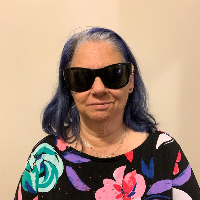
Cheryl Pacione is a Licensed Mental Health Counselor with 25 years of clinical experience in New York. She focuses on helping people move forward when stress, anger, anxiety, depression, or life transitions feel overwhelming. Cheryl combines practical problem solving with attention to each person’s story to help them find clearer direction.
Her sessions aim to uncover habits and beliefs that get in the way. Cheryl uses client-centered conversation to build trust and narrative work to revisit and reframe difficult memories.
Background and approach
She also weaves in mindfulness and motivational interviewing to help people notice patterns and set achievable goals. People seeking help for job-related stress or career decisions may also find her vocational counseling background useful. Cheryl has worked with LGBTQ individuals and has served on a New York State inclusion and diversity committee, which informs her culturally aware approach.
She notes experience with autism spectrum concerns and supports people managing chronic health issues. Cheryl commonly addresses relationship and intimacy challenges, grief, parenting strain, co-occurring issues like addiction and ADHD, and anger-related difficulties. She prefers a mix of message-based communication alongside regular live sessions by video or phone.
Sessions can include short check-ins or deeper weekly work depending on need. To begin, Cheryl asks people to complete a brief matching questionnaire and then schedule sessions. She works Monday through Saturday across Eastern Standard Time hours and responds to non-urgent messages within 24 hours.
What Cheryl works with
Everything Cheryl lists, in the therapist's own terms. Anger is the reason this directory exists; the rest tells you what usually sits alongside it in Cheryl's practice.
- Stress, Anxiety
- Trauma and abuse
- Self esteem
- Career difficulties
- Depression
- Addictions
- LGBT
- Relationship issues
- Family conflicts
- Grief
- Intimacy-related issues
- Sleeping disorders
- Parenting issues
- Anger management
- Bipolar disorder
- Coping with life changes
- Coaching
- Compassion fatigue
- ADHD
- Abandonment
- Adoption and foster care
- Antisocial personality
- Attachment issues
- Autism and Asperger Syndrome
- BDSM, kink, and alternative sex culture
- Caregiver issues and stress
- Chronic pain, illness, and disability
- Co-morbidity
- Codependency
- Commitment issues
- Communication problems
- Control issues
- Coping with natural or human-caused disaster
- Dependent personality
- Disruptive Mood Dysregulation Disorder (DMDD)
- Dissociation
- Divorce and separation
- Emptiness
- Family of origin issues
- Family problems
- Forgiveness
- Gender dysphoria
- Guilt and shame
- Hearing impaired
- Hospice and end-of-life counseling
- Impulsivity
- Infidelity
- Isolation / loneliness
- Jealousy
- Life purpose
- Midlife crisis
- Veteran and Armed Forces Issues
- Money and financial issues
- Mood disorders
- Obsessions, compulsions, and OCD
- Panic disorder and panic attacks
- Paranoia
- Personality disorders
- Phobias
- Polyamory / non-monogamous relationships
- Postpartum depression
- Post-traumatic stress
- Prejudice and discrimination
- Process addiction (porn, exercise, gambling)
- Seasonal Affective Disorder (SAD)
- Self-harm
- Sex addiction
- Sexual assault and abuse
- Sexual dysfunction
- Sexuality
- Social anxiety and phobia
- Somatization
- Women's issues
- Workplace issues
- Young adult issues
Approaches Cheryl lists
- Client-Centered Therapy
- Existential Therapy
- Mindfulness Therapy
- Motivational Interviewing
- Narrative Therapy
- Solution-Focused Therapy
- Trauma-Focused Therapy
Listing an approach is not evidence of training in it. This directory copies what each therapist names and does not check training records.
Therapeutic approaches and how they work online
Client-Centered Therapy focuses on listening and responding to what matters most to the person. The therapist follows the client's lead, reflecting feelings and helping clarify choices so people feel heard and understood. Mindfulness Therapy teaches simple attention skills to notice thoughts, physical sensations, and impulses without judgment; this can be helpful for stress, anger, and anxiety. Narrative Therapy invites clients to separate themselves from problems and retell their experience in ways that reduce shame and open possibilities for change. Choosing the right approach is a joint process. Cheryl will talk with each person about goals, preferences, and what feels most useful. Together they decide whether to emphasize listening, skill practice, story work, or a mix of methods as treatment progresses. Online formats make it easier to fit therapy into a busy life. Video calls allow longer, face-to-face sessions when more in-depth work is needed. Phone sessions can be a good alternative when bandwidth is limited or when someone prefers not to be on camera. Live chat and text-based messaging are useful for brief check-ins, ongoing encouragement, or quick skill practice between sessions. These options help maintain continuity of care and adapt to changing schedules.Questions people ask about Cheryl
What kinds of concerns does she address?
She helps people with stress, anxiety, depression, anger, trauma, addictions, relationship and intimacy issues, parenting strain, grief, career concerns, ADHD, and related areas.
How would you describe Cheryl's therapeutic style?
Her style is collaborative and practical. She uses client-centered conversation along with mindfulness, narrative work, and motivational interviewing to set goals and notice patterns.
How much clinical experience does she have?
She has 25 years of experience working with diverse concerns and populations in New York.
What are her credentials and where is she located?
She is a Licensed Mental Health Counselor, NY LMHC, based in New York.
Which languages are supported for sessions?
Sessions are offered in English.
What session formats are available?
She provides video calls, phone sessions, live chat, and text-based messaging to suit different needs and schedules.
How are costs and subscriptions handled?
Costs vary with location and therapist availability; sessions use a subscription that can be canceled at any time.
What steps are involved in getting started?
Select the Start Therapy button, complete a short matching questionnaire, and schedule sessions according to therapist availability.