Works with
- Anger
- Stress, Anxiety
- Trauma and abuse
- Bipolar disorder
- Depression
- ADHD
How Mary works
Practical facts
- Credentials
- LPC-MHSP
- Licensed in
- Tennessee
- Years in practice
- 7
- Languages
- English, French
- Session format
- Online, through our partner platform
About Mary
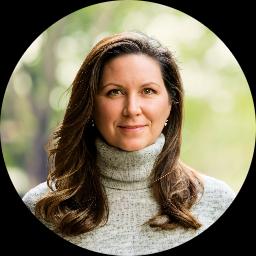
Mary "Christine" Lawson is a Licensed Professional Counselor - Mental Health Service Provider (LPC-MHSP) based in Tennessee. She helps people who are dealing with stress, anger, anxiety, depression, trauma, and related challenges. Sessions are offered in English and French and focus on practical steps people can try between meetings.
Christine uses straightforward, goal-focused work. She draws on cognitive behavioral techniques to help clients notice unhelpful thinking and try different behaviors.
Background and approach
She also uses dialectical skills to teach emotion regulation and coping tools for intense feelings. Her approach is collaborative. Christine and the person she is working with set clear goals and check progress often.
She will suggest small experiments and homework that fit daily life so change can feel manageable. With seven years of clinical experience, Christine has worked with a wide range of concerns such as bipolar disorder, addictions, grief, relationship and intimacy issues, and parenting stress. She also addresses deeper patterns like attachment, codependency, and family of origin dynamics.
Clients can connect by video call, phone, live chat, or text-based messaging. Christine explains the session styles and helps people pick what fits their schedule and comfort. Starting is done through a short matching questionnaire and scheduling step on the site.
What Mary works with
Everything Mary lists, in the therapist's own terms. Anger is the reason this directory exists; the rest tells you what usually sits alongside it in Mary's practice.
- Stress, Anxiety
- Trauma and abuse
- Bipolar disorder
- Depression
- ADHD
- Addictions
- Relationship issues
- Family conflicts
- Grief
- Intimacy-related issues
- Eating disorders
- Sleeping disorders
- Parenting issues
- Anger management
- Self esteem
- Career difficulties
- Coping with life changes
- Coaching
- Compassion fatigue
- Abandonment
- Attachment issues
- Autism and Asperger Syndrome
- Avoidant personality
- Blended family issues
- Caregiver issues and stress
- Chronic pain, illness, and disability
- Codependency
- Communication problems
- Control issues
- Dependent personality
- Dissociation
- Divorce and separation
- Domestic violence
- Family of origin issues
- Family problems
- Fertility issues
- First responder issues
- Forgiveness
- Guilt and shame
- Hoarding
- Hospice and end-of-life counseling
- Intellectual disability
- Isolation / loneliness
- Life purpose
- Mood disorders
- Obsessions, compulsions, and OCD
- Panic disorder and panic attacks
- Personality disorders
- Phobias
- Postpartum depression
- Post-traumatic stress
- Pregnancy and childbirth
- Seasonal Affective Disorder (SAD)
- Self-harm
- Self-love
- Sexual assault and abuse
- Social anxiety and phobia
- Women's issues
Approaches Mary lists
- Cognitive Behavioral Therapy (CBT)
- Dialectical Behavior Therapy (DBT)
- Motivational Interviewing
- Solution-Focused Therapy
- Trauma-Focused Therapy
Listing an approach is not evidence of training in it. This directory copies what each therapist names and does not check training records.
How her approaches translate to online therapy
Christine commonly uses cognitive behavioral therapy and dialectical behavior therapy in her work. Cognitive behavioral therapy focuses on identifying unhelpful thoughts and testing new behaviors to change mood and stress. It is useful for anxiety, depression, anger, and sleep or eating concerns. Dialectical behavior therapy teaches specific skills for managing intense emotions, improving distress tolerance, and strengthening interpersonal effectiveness; these skills help when emotions feel overwhelming.Choosing the right approach is a shared process. Christine works with each person to identify their goals, what has or hasn't helped before, and which strategies feel doable. Together they try methods and adjust plans so the work fits the person's needs and daily life.
Online sessions are offered by video call, phone, live chat, or text-based messaging to make therapy flexible. Video calls allow face-to-face conversations and skill demonstrations. Phone sessions can be a good option when bandwidth is limited or a simpler check-in is needed. Live chat and text-based messaging are useful for brief check-ins, step-by-step coaching, or when someone prefers writing to speaking. These options help people fit therapy into work, caregiving, or busy schedules.
Questions people ask about Mary
What kinds of problems does she help with?
She helps people with stress, anxiety, trauma and abuse, bipolar disorder, depression, ADHD, addictions, grief, and anger among other concerns listed in her specialties.
What is her therapy style like?
Her style is collaborative and practical. She uses clear goals, skill teaching, and homework to help people change patterns and manage strong emotions.
What experience does she bring to sessions?
She has seven years of clinical experience working with a broad set of mental health concerns, including relationship issues, parenting stress, and trauma-related problems.
What credentials and location are listed?
She holds the LPC-MHSP credential and practices in Tennessee.
Which languages are available for sessions?
Sessions are offered in English and French.
What session formats are offered?
Sessions can be done by video call, phone, live chat, or text-based messaging depending on what works best for the person.
How is pricing handled?
Cost varies with location and therapist availability; sessions use a subscription that can be canceled at any time.
How do I begin working with her?
Click the Start Therapy button, complete a short matching questionnaire, and schedule sessions according to therapist availability.