Works with
How Michele works
Practical facts
- Credentials
- LPC
- Licensed in
- Oklahoma
- Years in practice
- 25
- Languages
- English
- Session format
- Online, through our partner platform
About Michele
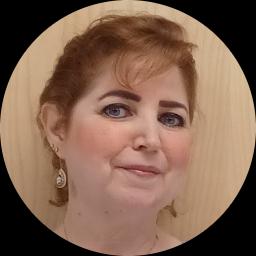
Michele Klahr is a Licensed Professional Counselor (LPC) with 25 years of experience in mental health care. She practices in Oklahoma and has spent many years working in a large medical hospital setting, assessing patients and responding to crises. Michele focuses on helping people who are dealing with stress, anxiety, grief, depression, addictions, anger, and related concerns.
Her background includes nearly two decades at a hospital, where she has supported medical patients through acute emotional needs and suicide prevention.
Background and approach
That work shaped her calm, direct style when urgent problems arise. Michele also works with people facing long-term struggles like bipolar disorder, ADHD, and compassion fatigue. In sessions she aims for clear, practical steps that fit each person's life.
She uses client-centered methods, which means she listens first and tailors the plan around the person's goals. She also draws on cognitive behavioral techniques to address unhelpful thinking patterns and on solution-focused ideas to set short-term achievable goals. Michele reports additional interests in family-of-origin issues, codependency, communication problems, and the emotional pressures of caregiving.
She can help people sort through control issues, abandonment worries, eating and body image concerns, and recovery from trauma or abuse. She encourages people to take the first step and says therapy is a collaborative process. Michele aims to create straightforward sessions that focus on what matters most to each person and on practical ways to move forward.
What Michele works with
Everything Michele lists, in the therapist's own terms. Anger is the reason this directory exists; the rest tells you what usually sits alongside it in Michele's practice.
- Stress, Anxiety
- Grief
- Self esteem
- Depression
- Addictions
- Family conflicts
- Trauma and abuse
- Anger management
- Career difficulties
- Bipolar disorder
- Coping with life changes
- Compassion fatigue
- ADHD
- Abandonment
- Aging and geriatric issues
- Avoidant personality
- Body image
- Caregiver issues and stress
- Codependency
- Communication problems
- Control issues
- Coping with natural or human-caused disaster
- Dependent personality
- Divorce and separation
- Eating and food-related issues
- Emptiness
- Family of origin issues
- Family problems
- Forgiveness
- Guilt and shame
- Isolation / loneliness
- Life purpose
- Midlife crisis
- Mood disorders
- Narcissism
- Panic disorder and panic attacks
- Personality disorders
- Seasonal Affective Disorder (SAD)
- Self-harm
- Self-love
- Women's issues
- Workplace issues
Approaches Michele lists
- Client-Centered Therapy
- Cognitive Behavioral Therapy (CBT)
- Motivational Interviewing
- Solution-Focused Therapy
Listing an approach is not evidence of training in it. This directory copies what each therapist names and does not check training records.
Approaches that translate well to online care
Client-centered therapy begins with the person's goals and perspective. The therapist listens closely and helps shape sessions around what the client wants to achieve, which can make online conversations feel focused and relevant.Cognitive Behavioral Therapy (CBT) involves identifying unhelpful thoughts and testing new behaviors. It works well over video or phone because homework, structured techniques, and brief skill-building exercises can be assigned between sessions.
Finding the right approach is part of the work together. The therapist will talk with each person about their needs, goals, and preferences and then recommend whether to emphasize client-centered methods, CBT, or solution-focused steps. That decision is collaborative and can change as progress is made.
Online therapy offers practical flexibility. Video calls let people use face-to-face interaction when helpful. Phone sessions can be a simpler option when bandwidth is limited or when someone prefers not to be on camera. Live chat and text-based messaging are useful for shorter check-ins, ongoing encouragement, and quick skill reminders between sessions. These options make it easier to fit therapy into busy schedules and to keep momentum between appointments.
Questions people ask about Michele
What kinds of concerns does Michele address?
She works with stress, anxiety, grief, depression, addictions, anger, bipolar issues, ADHD, and related topics like family-of-origin problems and caregiver stress.
What is her therapeutic style like?
Her approach is person-focused and practical. She listens first, then uses CBT and solution-focused techniques to set achievable steps.
How long has she worked in mental health?
Michele has 25 years of professional experience, including 19 years working in a large medical hospital environment.
Where is Michele based and what credential does she hold?
She is based in Oklahoma and holds the LPC credential, Licensed Professional Counselor.
Which languages are supported for sessions?
Sessions are offered in English.
What session formats are available online?
She offers various online formats including video calls, phone sessions, live chat, and text-based messaging to suit different needs.
How does pricing work for sessions?
Cost varies with location and the subscription model used. Sessions use a subscription that can be canceled at any time.
How do I begin working with her?
Start by selecting the Start Therapy button, complete a short matching questionnaire, and then schedule sessions according to the therapist's availability.